
Many road crashes are caused by human error. In addition to excessive speed and distraction, the influence of alcohol or drugs such as cannabis plays a role that should not be underestimated. “Stricter blood alcohol limits have been proven to reduce the number of traffic fatalities – and this is precisely what should be taken into account in the debate on cannabis limits,” says DEKRA traffic psychologist Dr. Thomas Wagner. However, prevention should not be neglected either. “This includes the provision of financial resources for treatment, target group-specific awareness campaigns, and counseling services, among other things,” emphasizes the expert, referring to the DEKRA Road Safety Report 2025 “The Changing Face of Mobility”.
- Duration, frequency, and intensity of cannabis use are decisive
- Self-assessment of driving safety is often inadequate
- Many fatal crashes under the influence of alcohol
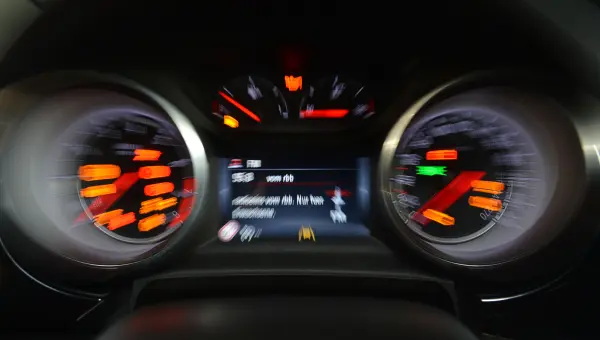
In many countries, cannabis now enjoys a reputation as a “lifestyle drug” and is particularly popular and widely accepted among young people. However, the amount of tetrahydrocannabinol (THC) contained in a “joint”, for example, can vary greatly. As a result, consumers do not know how much THC they are actually putting into their bodies. “This increases the risk of no longer being fit to drive, because cannabis, like all psychoactive substances, affects our nervous system and thus components of performance that are essential for safe driving”, Thomas Wagner points out.
Unsteady driving observed after cannabis consumption mainly affects lane keeping, speed control, and dealing with right-of-way rules. Especially among young drivers, abnormalities such as slower driving, more frequent crossing of the center line with increased abrupt steering wheel movements, and prolonged reaction times have been observed in connection with cannabis consumption. International studies confirm another problem: the more intensive and frequent the cannabis use, the higher the probability of risky driving maneuvers, such as illegal overtaking or disregarding speed limits. “The duration, frequency, and intensity of cannabis use also increase the likelihood of health risks that can easily lead to impaired driving ability, for example in the form of addiction, psychosis, or depression”, says the DEKRA expert.
Inadequate self-assessment of driving safety
In general, the risk of accidents increases slightly to moderately after cannabis use, and significantly less than under the influence of alcohol. However, the available figures vary greatly and are only of limited validity due to methodological weaknesses. It can generally be assumed that the risk is increased by a factor of around two and a half. The risk is even higher when looking only at the group of young drivers under the age of 25 (threefold risk) – and the combined effect of cannabis and alcohol is particularly dangerous.
Self-assessment of driving safety after consuming a cannabis product is made difficult or even impossible by two unknown factors: firstly, the dose consumed is unknown and secondly, individual metabolism varies greatly. This undermines the essential sensitivity towards the safety-relevant effects of intoxication. “Depending on the pattern of consumption, a waiting period of 12 hours should therefore be observed after consuming cannabis and before participating in traffic, as impairments to driving safety can occur even below the limit value of 3.5 ng/ml THC that applies in Germany, for example”, advises Thomas Wagner. In many countries across Europe, zero-tolerance regulations are in place.
Drunk driving can be fatal
It has also long been known that alcohol in particular poses an enormous danger in road traffic. According to various statistics, a blood alcohol concentration above the legal limit was found in 20 percent of all fatal accidents in high-income countries and between 33 and 69 percent in low- and middle-income countries. The resulting alcohol-related crash costs are immense, not to mention the human suffering.
Many years of experience in Germany have shown that drivers who drink excessively usually suffer from an alcohol use disorder with clinical characteristics.
An innovative solution proposed for the revision of the European Union’s driver’s license directive, designed with addiction treatment in mind, could begin with mandatory diagnosis after a serious alcohol-related traffic offense—combined with recommendations and intervention proposals to restore driving ability. “In the second part of the examination setting, so-called brief intervention techniques could help to initiate a willingness to change drinking behavior as early as possible,” recommends the DEKRA traffic psychologist.
Further background information on this topic and many other aspects of “The Changing Face of Mobility” can be found in the DEKRA Road Safety Report 2025. It is available online atwww.dekra-roadsafety.com.